

Introduction: A New Visual Era
AI photo generation is evolving at lightning speed—what once took a full production team can now be created with a few prompts. So, where does this leave photographers, editors, stylists, and content creators?
The Rise of AI-Generated Photography
Today's AI tools like ChatGPT-4o, Midjourney, DALL·E, and Stability AI are transforming the visual landscape with capabilities that seemed impossible just months ago:
Creating hyper-realistic content:
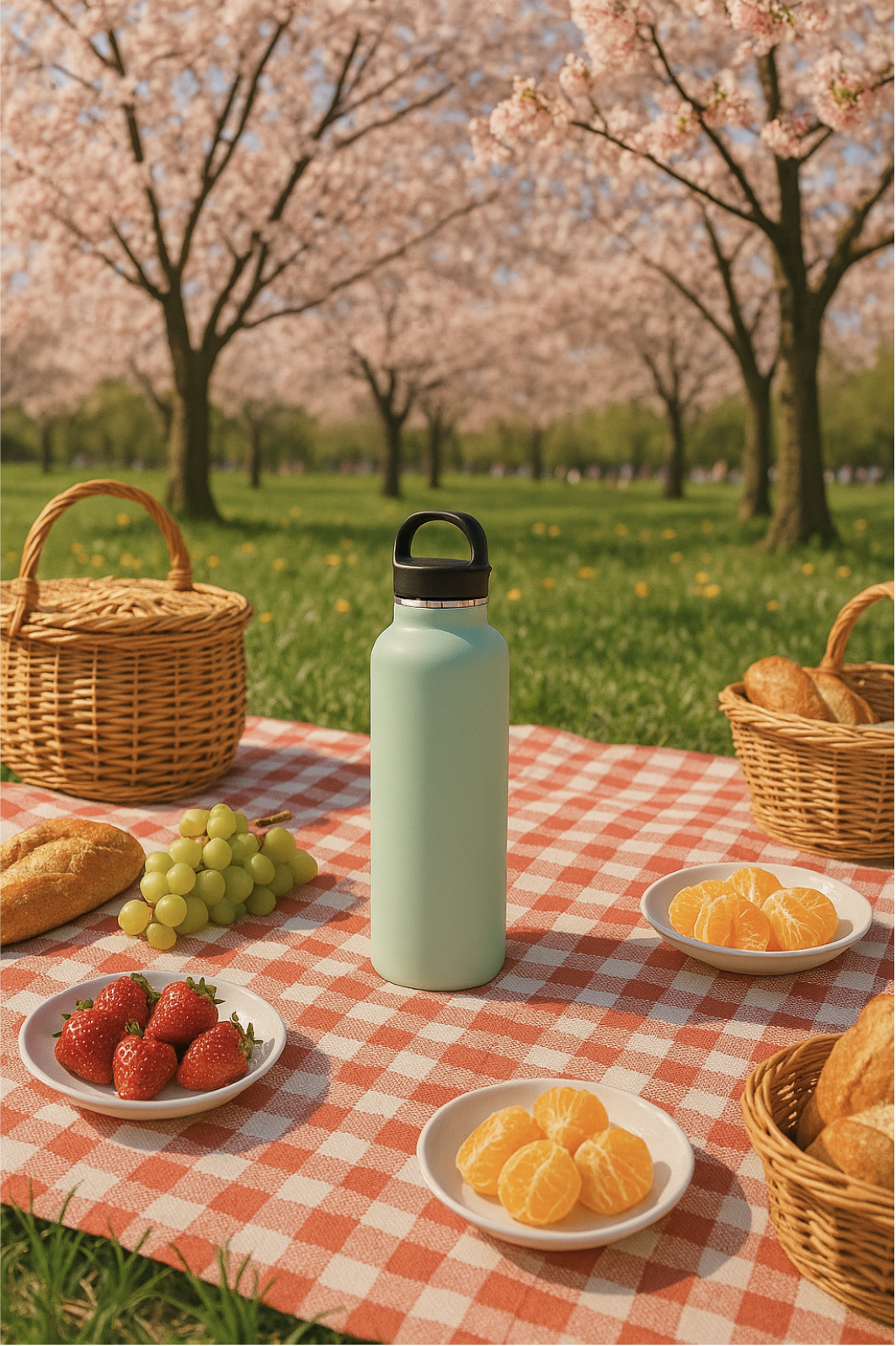
- Lifelike lifestyle scenes
- Stylized product layouts
- Branded environments with customizable lighting, angles, and models
Enabling brands to experiment with:
- Complete product catalogs generated by AI
- Model-less fashion shoots
- Instant seasonal content (imagine creating winter scenes in summer)
Will Photographers and Editors Be Replaced?
Not entirely—here's why:
Photographers will still thrive in areas like:
- Real-time event photography (weddings, sports, live shows)
- Authentic brand storytelling
- High-end editorial shoots where realism and personality are non-negotiable
Editors and retouchers may shift roles to:
- AI prompt engineers
- Creative directors for AI outputs
- Hybrid photo compositors blending AI and real imagery
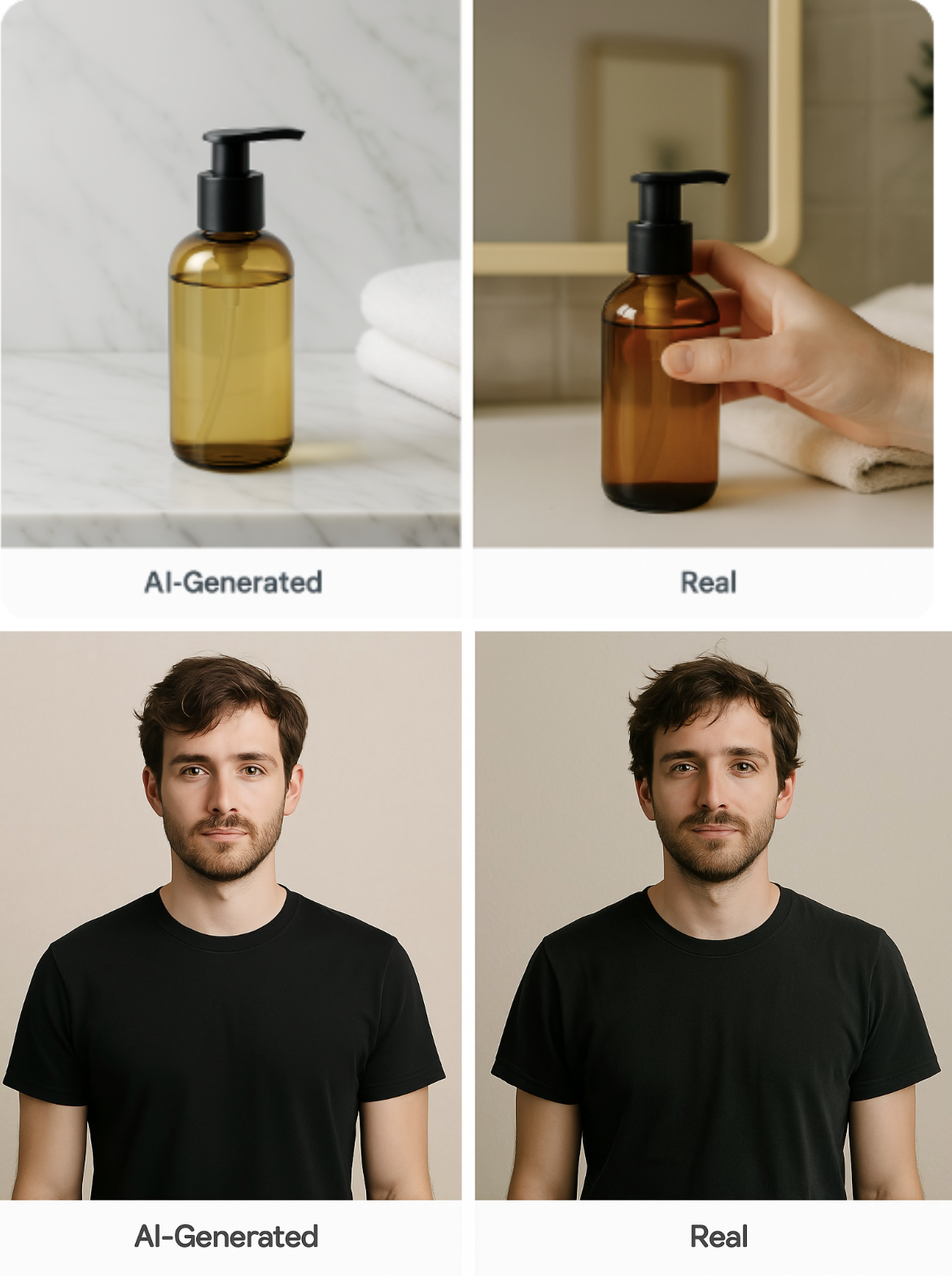
Real vs. AI: Can Platforms Even Tell?
Currently:
- Platforms like Instagram, TikTok, and ad networks don't fully differentiate AI from real images
- Metadata (EXIF) is often stripped, and AI-generated images can be indistinguishable from high-res photography
But coming soon:
- Watermarking or tagging requirements for AI-generated visuals
- Detection tools powered by AI to flag synthetic media
- Viewer fatigue or backlash if brands overuse clearly fake content
Will the Market Prefer Real Over AI?
Expect a split:
| Category | AI Likely to Dominate | Real Photography Still Key |
|---|---|---|
| E-commerce product pages | Fast, scalable, editable | Less cost-effective |
| Social lifestyle content | Seasonal, trendy shoots | Human touch preferred |
| Luxury branding | Risk of inauthenticity | Authenticity is critical |
| Influencer partnerships | Limited realism | People trust people |
Content Strategy: What Brands Should Do
Blend both worlds with intention:
Use AI for:
- Quick mockups or A/B tests
- Background replacements
- Concept storyboarding
Use real photography for:
- Customer testimonials
- UGC (user-generated content)
- PR and press-worthy campaigns
Conclusion: Human Creativity Isn't Going Anywhere
AI is a new creative tool, not a total replacement. While it will reshape budgets, timelines, and who presses the shutter, the need for human vision, taste, and storytelling will only grow more important in a visually saturated world.
"I'm excited for the future of AI! Being able to enhance my creative work, streamline production, and increase overall efficiency is definitely something I look forward to. I mostly use AI now to help with pre-production scripts and post-production copy. It's especially helpful when you're not a copywriter! I look forward to seeing all the advances AI will continue to make."
– Sydnee at Sum Digital
"I have a love-hate relationship with AI. As a creative professional, I've gradually integrated it into my workflow—and at this point, it's like a collaborative work buddy that still needs quite a bit of handholding... maybe a bit of micromanaging. These days it's still easy to spot AI-generated content, and most outputs require a fair amount of refinement before they're even close to client-ready. One thing I've noticed is that there's a clear difference in the results when a creative uses AI versus when someone less creatively inclined does. So… for now, I'm not too worried about AI coming for my job—though it's definitely changing how I approach it."
– Isabell at Sum Digital